A VPN (Virtual Private Network) is a powerful tool for anyone concerned about online privacy, security, and unrestricted access to content. For beginners in the USA and worldwide, understanding what a VPN is and how it works is essential to protect personal data and improve online safety. This guide explains the basics, benefits, and tips to choose the right VPN for your needs.
Table of Contents
What Is a VPN?
A VPN is a service that creates a secure, encrypted connection between your device and the internet. It hides your IP address, encrypts your online activities, and allows you to browse privately and safely.
Key Functions of a VPN
- Encrypts data to prevent interception
- Masks your IP address for anonymity
- Allows access to geo-restricted websites
- Protects sensitive information on public Wi-Fi
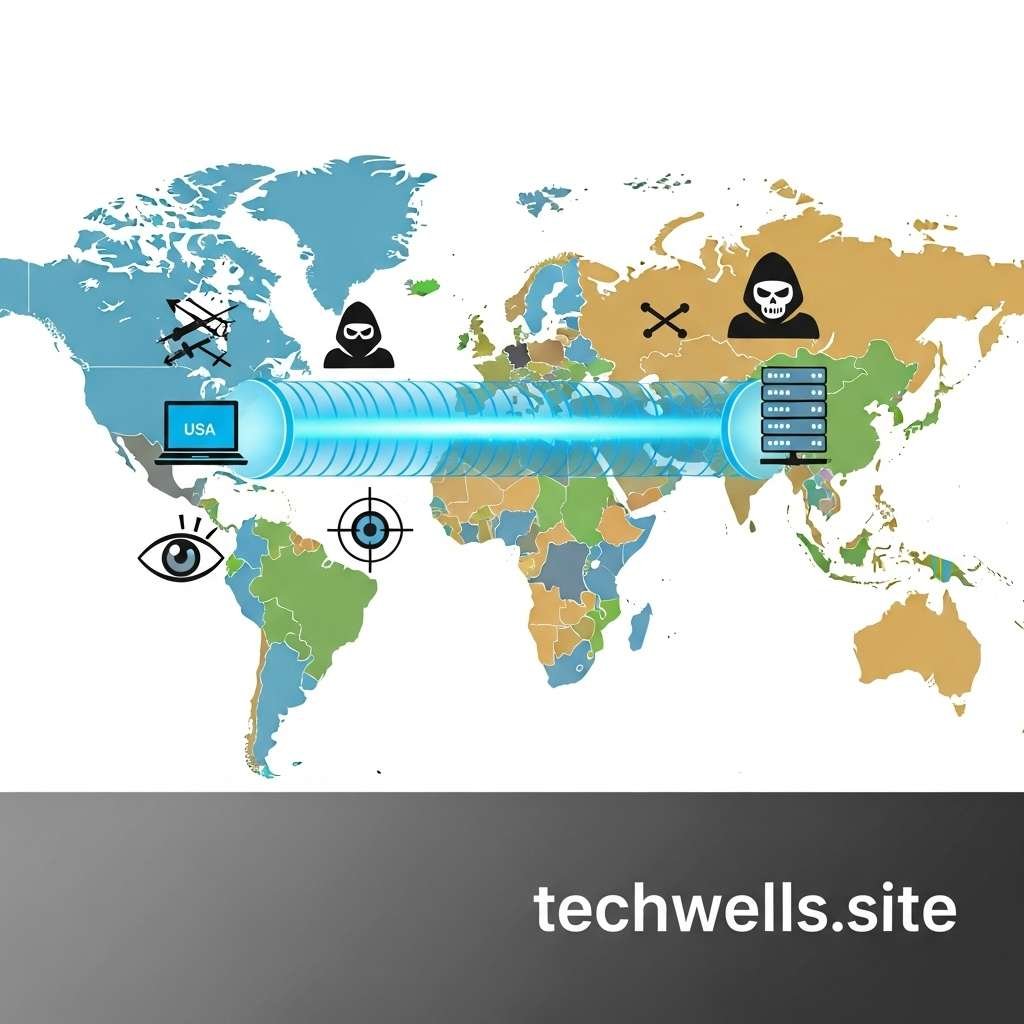
VPNs act as a secure tunnel for your internet traffic, making it much harder for hackers, ISPs, or other third parties to track your activities.

Why You Need a VPN
Using a VPN is no longer just for tech-savvy users. VPNs provide essential security and privacy for anyone online.
Benefits of Using a VPN
- Privacy Protection: Your browsing history and personal data are hidden
- Secure Public Wi-Fi: Protects your data on coffee shop or airport networks
- Access Restricted Content: Stream content or websites blocked in certain regions
- Prevent Tracking: Stops advertisers and websites from tracking your activity
- Enhanced Security: Reduces risk of hacking, phishing, and cyberattacks
VPNs are especially important for remote workers, travelers, and anyone who frequently uses public networks.
How a VPN Works
A VPN encrypts your internet connection and routes it through a secure server. This process changes your IP address and protects your data.
Step-by-Step Functionality
- You connect to a VPN server
- VPN encrypts your internet traffic
- Your IP address is replaced with the server’s IP
- Data is sent securely to the destination website or service
Even if someone intercepts your connection, encrypted data is unreadable, ensuring privacy and security.

Types of VPNs
Different VPN types serve different purposes. Beginners should know the common options:
- Remote Access VPN: For individual users to connect securely to the internet
- Site-to-Site VPN: Connects multiple networks securely, often used by businesses
- Mobile VPN: Optimized for smartphones and tablets, maintaining secure connections on-the-go
How to Choose the Right VPN
Choosing the right VPN is critical for effectiveness. Beginners should focus on these factors:
Key Considerations
- Security and Encryption: Look for AES-256 encryption and strong protocols (OpenVPN, WireGuard)
- Privacy Policy: Ensure the VPN does not log user activity
- Speed and Performance: Avoid slow connections that impact streaming or downloads
- Server Locations: More servers allow access to geo-restricted content
- Ease of Use: Simple interface for setup on all devices
- Customer Support: Reliable support for troubleshooting and setup
Recommended VPNs for Beginners
- ExpressVPN: Fast, secure, and beginner-friendly
- NordVPN: Strong encryption and wide server network
- Surfshark: Affordable with unlimited device support
- CyberGhost: Easy setup with specialized servers for streaming
Tips for Using a VPN Effectively
- Always connect to the VPN before browsing on public Wi-Fi
- Use servers closest to your location for faster speed
- Regularly update VPN software for security patches
- Avoid free VPNs that may log your data or show ads
- Combine VPN with antivirus for comprehensive protection

Common VPN Misconceptions
- VPN makes you completely anonymous: While VPN improves privacy, it does not make you invisible online
- VPN slows down internet: High-quality VPNs have minimal speed impact
- VPN is only for streaming: VPNs also protect sensitive data and maintain privacy
Conclusion
A VPN is an essential tool for anyone looking to protect online privacy, secure personal information, and access restricted content. This beginner’s guide provides a clear understanding of what a VPN is, why it matters, and how to choose the best VPN for your needs. By selecting a trusted provider and using it correctly, you can safely navigate the digital world with confidence